
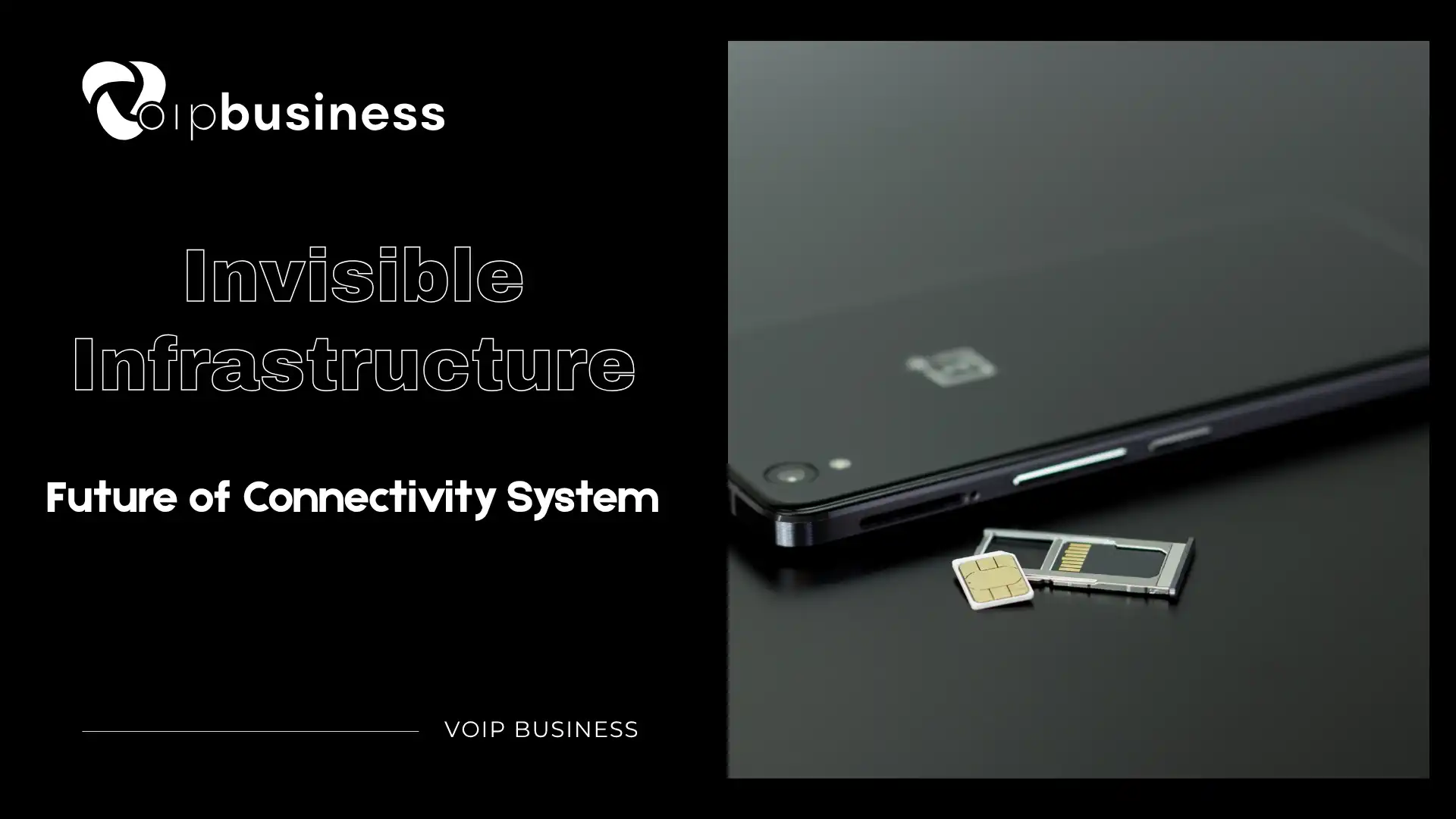
It is the philosophy of architecture of the internet, which is now going through its most dramatic transformation since the introduction of mobile broadband. We are moving towards the next stage of tethered digitalism, a situation in which our identities and connectivity were fixed to physical hardware and local telecommunications silos and are now characterized by a condition of fluid, software-defined freedom.
With the borders on physical presence, as well as virtual participation, increasingly blurred borders, the need to have borderless access to data, immediately, has become a luxury, and then a requirement.
As a way to overcome this fact, users are more and more resorting to sophisticated platforms such as eSIM Plus that enable the dynamism of providing network credentials without the logistical friction associated with physical plastic cards.
A Death of the Physical Bottleneck
The tangible SIM card was one of the final remnants of the analog age of our pocket-sized supercomputers that had survived over decades. A real key to a digital door–it was physical, and likely to first require destruction, and to be no longer replaceable, and was localized. Embedded and software-defined connectivity does not just come with convenience; it is the precondition of the next generation of technological progress.
In the modern world, where the Internet of Things (IoT) has become the Internet of Everything, the possibility of coping with connectivity on a large scale with software is the most important. Out of self-driving cars, which need to change carriers when they cross the boundaries to the industrial sensors in remote areas, the elimination of the physical bottleneck enables some degree of operational flexibility that has never existed before.
It is the distinguishing feature of the Invisible Infrastructure, technology that is engaged in the most important tasks that do not involve any human controls, as well as physical inspection.
Sovereign Network Oil, a Digital Stack, and the Emerging Personal Stack
With an increasing proportion of our cognitive existence being conducted in virtual space, the Digital Sovereignty notion has taken center stage in the technological rhetoric. We are witnessing a giant exodus out of monolithic platforms into an explicitly-described-as-Modular Personal Stack. Technology-sophisticated users have now become self-selectionists when it comes to the ecosystem they use, as they select specialized tools to help in privacy, communication, and productivity. The following are some of the major benefits of this modularity:
- Redundancy by design. It is used to refer to multiple secure layers of virtualization by means of the use of secondary secure numbers and the use of encrypted cloud storage to guarantee that the crash of one system does not cause complete digital darkness.
- Data portability. It is crucial to make sure that personal and professional information can easily travel between devices on platforms, without being locked away in the garden of a particular vendor.
Cybersecurity: Beyond Perimeter to Identity
The Firewall is a concept that is out of date in the current technological environment. In the case that the workforce is dispersed, and the data is stored in the cloud, there is no longer a network perimeter. The foundation of security in the year 2026 is based on Identity Orchestration.
The shift towards a Zero Trust architecture implies that an authentication structure should not assume trust of any device or user, not even one located elsewhere. This has seen the creation of an advanced authentication ecosystem where virtualized identifiers are very significant. Isolated digital channels (where a verification step is carried out before performing a multifactor authentication) can help organizations to establish a defense-in-depth stance that is not vulnerable to the most sophisticated social engineering schemes and phishing attacks.
Green Paradox: Virtualization as Green
Another major, yet overlooked, advantage of the transition to virtualization is that it has an environmental effect. The technology industry has suffered a conflict of sustainability since time immemorial: the more data we need, the bigger we expand our real estate. There is a means of escape, however, through the use of virtualization.
Replacing a physical good, be it plastic SIM cards, a hardware server, or even just not having to physically occupy office space, with a software-defined version, we are getting a considerable decrease in the carbon intensity of our digital lives. The presence of a virtual office on a serverless cloud platform that uses renewable energy is manyfold more sustainable than a corporate headquarters. As a measure of innovation, we are no longer talking about what we can construct, but how much we can transfer to the digital ether.
Making Ready the Edge Revolution
The next large jump in technology that we see is the transition of centralized clouds to the Edge. With edge computing, processing is also brought closer to the user, with latency being reduced to almost zero levels. The use of Augmented Reality (AR) and fully responsive robotics will begin to spread as a result of this.
To make the Edge revolution successful, a connection layer should be as fast and versatile as the processors. This is where the synergy of software-defined connectivity and local-first computing is observed. The next great engineering challenge, which is underway for solution on this day, is the capability to hand off data sessions between local edge nodes and global satellites at a lag of a millisecond or less, which is being solved at the same time by the very virtualization technologies we are achieving today.
Age of the Purposive Technology
Technology does not exist in a straight line of advancement on more devices, but as a direction of increased agency. We are going beyond being consumers of technology to being producers of our digital fate. We are creating a stronger and human-centric future by adopting the power of virtualization, focusing on identity security, and reclaiming our time through the power of AI.
The Invisible Infrastructure already exists. It lies within the safe, software-defined networks we form, the AI systems that ensure attention is paid to us, and the decentralized systems that ensure our privacy. We should learn how to utilize these tools and make sure that as our world becomes digital, it will be more open, more secure, and accessible to all people, no matter where they are on the map.
Read More : Beyond The Dial Tone: Where VoIP Data Meets Performance Accountability