
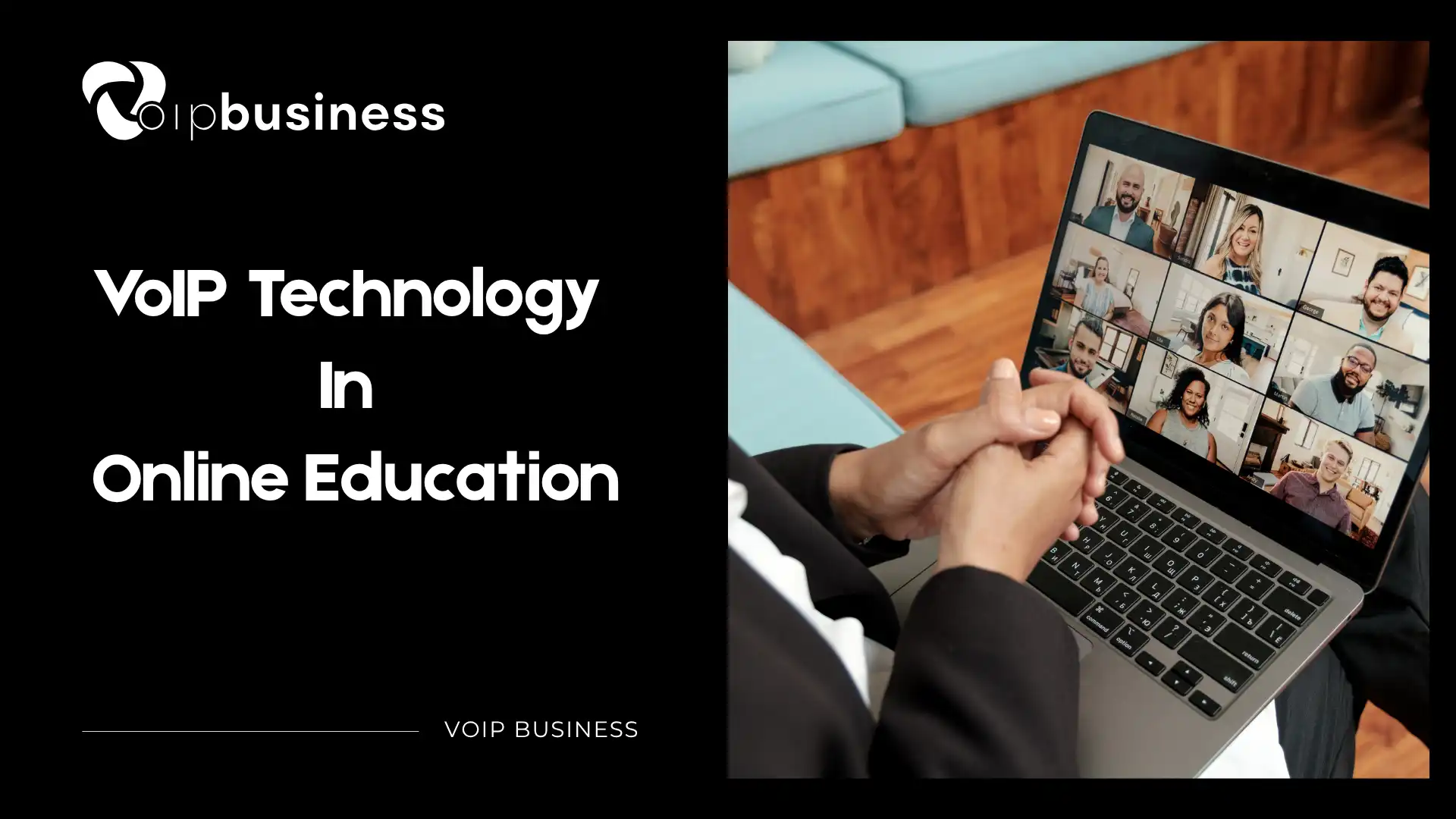
There were years when distance learning was associated for many with audio delays, unstable video calls, and exhaustion from endless technical glitches. Today, the situation is changing drastically. Thanks to the development of VoIP technology, online communication feels much more natural.
Voice-over-IP technology has long been used in business. The education sector has demonstrated just how much it can influence people’s daily experiences.
For students, this means faster access to teachers and access to learning from anywhere in the world. And just as crucially, it provides a sense of real presence during classes.
VoIP in Education – How It Changes Interaction?
In modern online education, students are less and less likely to view learning as passively listening to lectures. VoIP in education helps create an experience in which voice interaction takes place with almost no delay.
As a result, conversations feel natural. Lecturers can, without expensive equipment:
- Hold consultations
- Quickly answer questions
- Organize group discussions
For many universities, this is also a way to reduce costs for international calls and stay in touch with students located in other countries. Thus, education becomes more affordable for those who were previously geographically isolated. Many platforms integrate voice features directly into learning spaces. So, participants don’t need to install complex software.
The convenience of this format is also changing the approach to learning itself. When students can communicate more quickly with teachers and work online on a more flexible schedule, they can more frequently access expert help online. Among other things, they can turn to additional digital resources to solve complex academic problems. It’s especially valuable when you’re working on major research projects.
Here, both the structure and the proper citation of sources, as well as the coherence of the presentation, are equally important. Now you can get all of this just by typing do my dissertation for me search query and choosing a reliable resource. A responsible and reliable platform becomes a valuable part of the wider process of seeking academic support in online education.
Impact of Voice Call Quality on Learning Outcomes
During distance learning, even minor audio delays can disrupt concentration. If a student constantly has to ask for repeats due to poor sound quality, the effectiveness of the class drops. That’s why modern VoIP in education solutions use noise-cancellation algorithms and adaptive data transmission.
High-quality voice communication also helps students better perceive the instructor’s intonation. It’s important for learning languages and other subjects where the nuances of an explanation are crucial.
VoIP Technology and Learning Flexibility
Modern online education is no longer tied to a standard schedule. Thanks to VoIP technology, students can participate in brief consultations while on the go, between work, or other commitments. Universities use voice chat rooms for team projects, while teachers can record explanations as audio messages.
VoIP in Education has greatly simplified international study programs. Students from different countries can:
- Work on joint research,
- Participate in discussions,
- Pass interviews without expensive telecommunication costs.
Many platforms support automatic subtitling and meeting recording. Thanks to this, you can review the material later.
Data Security – Psychological Comfort
Modern platforms that use VoIP technology support call encryption and account protection. Also, an access control for online classrooms. Thus, students can participate in classes without fear of personal data loss or third-party interference in the learning process.
Equally important is the psychological aspect. Voice communication often creates a more relaxed atmosphere than constantly turned-on cameras, which can cause fatigue and anxiety. Some students participate more actively in discussions, namely in audio format, because they feel less social pressure.
Another benefit of VoIP in education is its integration with mobile devices. Students can quickly connect to classes via their smartphones and listen to lectures on the go. It’s also easy for them to stay connected even with an unstable internet. For many people, this mobility has made distance learning a viable alternative to traditional lecture halls.
Final Words
VoIP technology has become one of the tools that has truly impacted students’ daily lives. It has made communication more accessible and less formal. Online courses are no longer seen as a compromise between quality and convenience. For students, this means more freedom in choosing universities and easier access to instructors.
It also means the ability to study at their own pace. Thus, the role of VoIP in Education continues to grow alongside the growth of global online education.
Read More : VoIP Security in the AI Era: What Businesses Need to Know